
 English
 Deutsch
 Français
 Español
 Português
Shibari


















Shibari: The Intricate Art of Japanese Rope Bondage
Shibari is often seen as a charming way of Japanese rope tying, it has drawn in fans all over the globe with its mix of art, touch, and history. This skill uses ropes to form detailed shapes on the body, focusing on both lovely looks and feelings between people. Based in old Japanese ways, Shibari goes beyond just tying up; it changes into a smart way that shows the dance of strength, weakness and inventiveness. For anyone looking at different types of closeness or creative works knowing about Shibari gives views into a place where rope turns into an item for deep personal moments. Its fame today comes from how it mixes physical feeling with mind parts making it something interesting for artists actors and folks wanting closer ties. As a SEO expert with many years of work, making stuff about Shibari needs mixing helpful points with easy keyword use. This makes sure the article does good for searches about Japanese rope ties and gives worth to folks who want to know where it came from and how it's used!
The Historical Roots of Shibari
The tale of Shibari starts in old Japan, where rope had an important part in everyday life and war. In the Edo time, which lasted from the early 1600s to around the mid-1800s, samurai fighters made a skill called Hojojutsu. This way focused on holding prisoners well with ropes, often made from natural threads like hemp or jute. The ways were not just useful; they held meaning too, with certain tying styles showing the prisoner’s social place, misdeeds or rank. Complex knots and wraps were made to stop movement while also sharing messages of power and control it showed how society was set up then in Japan As the Edo time came to an end with the fall of shogun, these limiting ways faded from use in a official way, but they did not go away completely. Instead, they shifted into more artistic and acting areas, changed by Japan's changing culture.
In the late 1800s and early 1900s, artists and entertainers started to look at these old ways in a different way. Trailblazers like Seiu Ito, a famous Japanese artist and picture maker, studied Hojojutsu's tricks in sexy settings, taking note of them and making them well-known in erotic art and writing. This change signaled the beginning of Shibari as new practice moving from its strict past towards something more close and pretty. During this time Shibari appeared in kabuki plays and secret adult stories where the sight of tied shapes caught people's eyes. The ropes that used to show being trapped or shame now turned into means for looking at want and feeling free. This change was helped by Japan's fun areas, where sex work and art mixed, letting Shibari grow as a way of agreed play. Now, this past base guides how users see Japanese rope binding, respecting its samurai history while changing it to today's feelings.
Distinguishing Shibari from Kinbaku
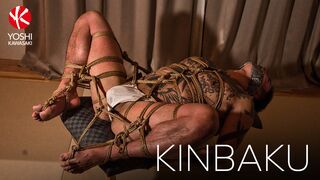
Although the words Shibari and Kinbaku are often used as if they mean the same thing, small differences help us understand Japanese rope tying better. Shibari comes from a Japanese term meaning "to tie" or "binding," and usually points to the pretty and artistic side of rope work. It focuses on how nice the ties look, with ropes making even shapes that highlight the body's lines and moves. This attention to looks makes Shibari like a living art piece where the rope worker's talent turns human shape into a canvas of detailed patterns. On the other hand Kinbaku means "tight binding" it often shows more of sexual feelings connected with this practice It goes deeper into the mind stuff adding parts of hold back that bring feelings of being weak and safe.
These small details come from the way the practice grew in the 20th century, when Western styles started mixing with old Japanese parts. People who do this may pick one word more than others based on what they want—Shibari for fancier or artful times, and Kinbaku for those wanting a deep feeling. No matter the name, both show the main ideas of Japanese rope tying. They focus on agreement and kindness. This difference lets fans try out changes that fit their likes, whether at home or during shows in public! By understanding these points better you get a bigger view of how Shibari changed over time keeping its culture strong yet reaching people around world?
Essential Techniques in Shibari Practice
Learning Shibari needs knowing some basic skills that make sure both looks nice and work well in Japanese rope tying. The process often starts with picking the right rope, usually natural ones like jute or hemp, which give the needed grip and strength without too much stretch. A common first step is to fold the rope at its center, called a bight, letting you wrap it evenly to create layers of tension slowly. This way helps in making simple knots, like those that hold one limb by going around it several times then pulling tight with pulls from opposite sides. These ways focus on spreading out pressure evenly, stopping any extra strain on one spot.
As workers get better, they use more tricky styles, like straps that go around the body or arms in connected loops. These patterns not only hold but also boost the body's normal shapes, making bold looks that show off curves and lines. Skills usually use rub-based holds instead of fancy ties, depending on the rope's hold against itself and skin to stay firm. For example; wrapping ropes in eight-shape ways around joints or chest can give a feeling of being closed in while letting small changes happen. The art is in the rigger's skill to change these methods for the model’s form a ensuring comfort and feeling. In Shibari times, the way of tying turns into a rhythmic dance where each round of the rope grows excitement and link. Looking at these methods shows the flexibility of Japanese rope bondage, from easy ties to fancy suspensions that need skill and practice.
Prioritizing Safety in Shibari
Safety is very important in any study of Shibari, as Japanese rope tying has both physical and emotional dangers that need to be handled carefully. Clear talk between the rigger and model forms a base, setting limits, safe words, and ongoing checks to watch how comfortable they are. Knowing body parts is key; riggers must stay away from putting ropes over touchy spots like big nerves or veins to stop numbness tingling or lasting harm. For instance ties around the wrists or ankles needs close watch on blood flow with regular changes to keep it moving. Having safety tools nearby like blunt-tipped shears for fast rope cutting during emergencies is needed!
Feeling safe is important, because Shibari can bring up strong feelings of weakness or happiness. Aftercare, which includes soft relaxation, drinking water, and comfort, aids people in understanding the experience. Newcomers should learn from skilled teachers through classes or trusted sources starting with floor-based knots before trying to hang. Noticing signs of worry like breathing changes or skin color shifts allows for quick help. By following these rules, users can enjoy the changing sides of Japanese rope ties while reducing risks, building a space of trust and care
Shibari in Modern Culture
In today's world, Shibari has gone beyond its Japanese roots to be a worldwide trend in art and close communities. Shows with Japanese rope tying light up stages at fairs and art places, where creators display the smoothness and excitement of tied shapes under bright lights. This exposure has cleared up the mystery around it, bringing in many people who value its healing power, like easing stress through careful attention. Social media and online chats have spread its influence more, letting fans share skills and stories while supporting welcoming areas.
The mix of Shibari in wider health talks shows its part in making closer bonds, stressing agreement and understanding. In today's world, it connects with other arts, sparking ideas for clothes, pictures, and even dance routines. As more folks learn about it, the focus on fair use also increases, making sure that respect for culture goes along with its use. This new take on Japanese rope play shows a change to look at feeling through art inviting many to find out its deep effects.
Embracing the Essence of Shibari
In the end, Shibari is a sign of the lasting charm of Japanese rope tying. It mixes past, skill, and closeness in ways that still change. Whether seen as a private path or a joined journey, it gives chances for growth and expression. By looking into its rich story one sees the soft balance it makes between old ways and new ideas inviting more study in a careful way.
